








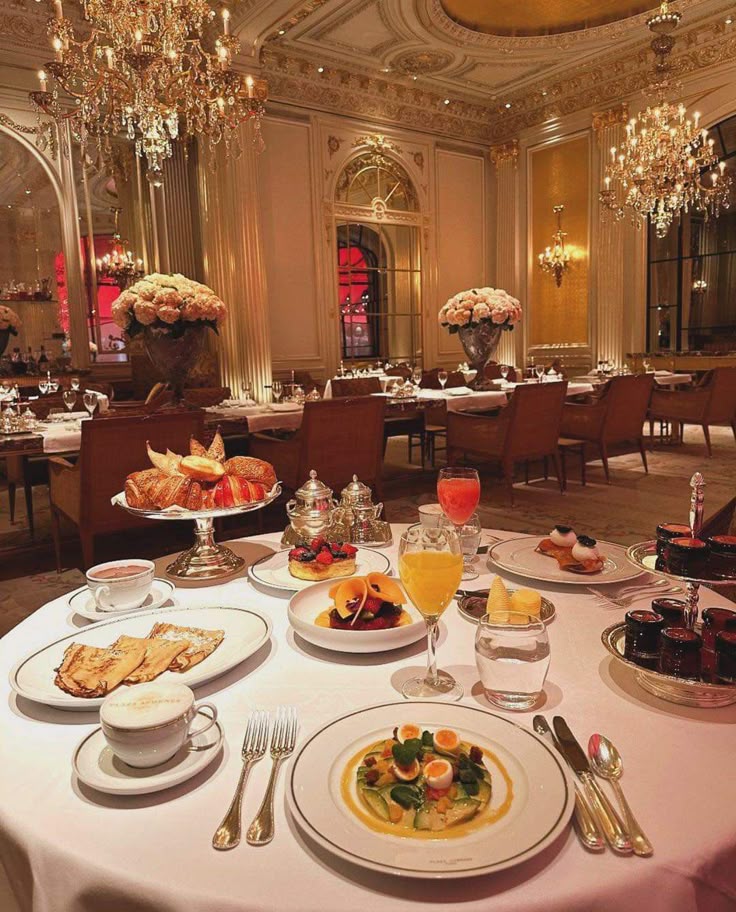
Mastering Hotel ware Presentation: The Art of Displaying Food, Utensils, and Décor
Introduction
In the hospitality business, presentation is everything. When guests walk into a restaurant or banquet at your hotel, the visual impact can set the tone before even the first bite. This blog takes a deep dive into the world of hotel ware presentation style, exploring how food display, serve-ware (bowls, platters, chafing dishes), and décor themes combine to create memorable dining experiences.
1. Why Food Presentation and Hotel ware Matter

When you walk into a fine-dining venue or a hotel buffet, you might not realize it consciously—but the look of the plates, the shape of the bowls, the height of the display risers, the gleam of serve-ware, all play together to create expectation. As one hospitality industry article notes:
“Food is created by us … and it is vital that the right tableware is used. We eat with our eyes first … the way a food is presented determines its eye appeal.”
In practical terms:
-
The right bowl or platter helps frame the food — allowing colour, texture and composition to shine.
-
Serve-ware materials and finishes affect perception of quality and cleanliness (for example, brushed steel vs ornate brass).
-
Buffet presentation, food islands, risers and thematic displays contribute to the guest experience and set the mood — everything from luxury hotel banquets to casual themed restos.
2. The Art of Displaying Food on Bowls, Platters & Serving Equipment
2.1 Bowls and Platters: Framing the Food

Selecting the right bowl or platter involves several factors: size, shape, colour, material and depth. According to hospitality professionals:
“With different forms, shapes and height, you can actually play around and ‘have fun’ … the same dish served in a different plate, in a bowl, with a side shot glass … can change completely and take the dining experience to another level.”
Practical tips:
-
Choose a neutral background (often white or lightly coloured) so that the food pops visually.
-
Use varied shapes (round, square, oblong) to create movement and interest across a buffet or table spread.
-
Consider height variation: use risers, stepped trays, tiered platters to avoid flat, one-level displays and to draw the eye.
2.2 Buffet & Chafing Dish Presentation

For self-service buffet stations common in hotels and banquets, presentation equipment shifts to include chafing dishes, warming trays, display stands and decorative serve-ware. Key points:
-
Chafing dishes should not only keep food warm but look part of the décor (finish, style, symmetry).
-
Serve ware in buffet context must be functional (easy refill, safety, sane heat control) and aesthetic (harmonious with theme).
-
Display stands and risers elevate bowls and platters, allowing guests to view the entire spread rather than bending over flat tables.
2.3 Colour, Texture & Material of Serve ware

The texture and material of platters, bowls and serve ware influences perception:
-
Smooth white porcelain is classic and clean.
-
Handmade or textured surfaces add character and upscale feel (e.g., hammered brass, copper, artisan clay).
-
Metals like brass, copper lend warmth, heritage and luxury—particularly in cultural/traditional settings
-
At high-volume hospitality environments, durability and ease of maintenance matter a lot .
3. Hotel Décor Ideas & Popular Themes
Your food presentation doesn’t exist in a vacuum—the room décor, lighting, table setting and buffet layout all contribute. Here are some popular themes for hotel dining or banquet venues and how serve-ware and food display tie in.
3.1 Contemporary Minimalist

-
Clean lines, neutral colours (white, grey, black), simple shapes.
-
Serve-ware: plain white porcelain, stainless steel accents.
-
Décor: minimal center pieces, subtle lighting, uncluttered layout.
Key is not to distract the food—serve-ware must support the dish visually.
3.2 Rustic / Heritage Style

-
Use of natural materials (wood, copper, brass, terracotta) and warm tones.
-
Serve-ware: hammered metal platters, earthen bowls, brass chafing dishes.
-
Décor: reclaimed wood, exposed brick, lantern lighting, rustic textiles.
This theme works especially well when the cuisine is traditional.
3.3 Luxe/Metallic Accents

-
Metallic finishes (gold, brass, copper, rose-gold) as décor accents.
-
Serve-ware: brass chafing dishes, copper platters, polished metal bowls.
-
Décor: mirror finishes, metallic risers, accent lighting reflecting off metal.
Buffet counters may have decorative panels in copper/gold coatings.
3.4 Themed Cultural Dining

-
For example: Indian royal theme, Arabian nights, Mediterranean garden, Japanese zen.
-
Serve-ware and display chosen to reflect cultural cues: copper brass Indian style, lanterns and low seating for Arabian, bamboo and stoneware for Japanese, etc.
3.5 Eco-Conscious / Sustainable Theme

-
Biodegradable serve-ware (areca leaf trays, bamboo bowls) and minimalist modern design.
-
Décor: natural fibre tablecloths, potted plants, muted lighting. Service focuses on fewer materials, less waste.
4. Traditional Style of Serving: Brass, Copper & Cultural Significance

4.1 Cultural Significance of Metal Serve ware
In many cultures—especially Indian, Middle Eastern and South Asian—serving food in brass, copper or bell-metal vessels conveys heritage, hospitality and luxury. As reported:
In Indian fine-dining contexts, cheques: “Diners often come in with the expectation of being served in copperware or bell metal for an authentic traditional dining experience or even royal dining.”
Metal serving pieces carry symbolism:
-
Copper and brass were materials of royal kitchens in historical eras.
-
Using these today evokes that “royal dining” feel.
-
They link to traditional cooking and service rituals (e.g., thali in brass, copper water vessels).
4.2 Use of Brass Chafing Dishes & Copper Serving Bowls
Buffet and banquet service often relies on chafing dishes to keep food warm and present it elegantly. Brass chafing dishes combine function with aesthetic:
-
Brass chafing dish: a vessel made primarily of brass (copper + zinc alloy), giving golden-metallic colour, suitable for display.
-
They work especially in venues emphasizing Indian or heritage themes.
Similarly, copper serving bowls, platters, trays enhance presentation:
-
Copper platters/trays used for snack display, thali service, dessert counters in hotels.
-
Metal serve-ware firms market these as “luxury bronze & brass serveware for hospitality excellence”.
4.3 Practical Advantages & Considerations
Advantages:
-
Aesthetic: Warm metallic colour draws the eye, elevates the buffet or dining table.
-
Cultural authenticity: Especially for traditional cuisine, heritage themes.
-
Durability: Well-made metal serve-ware lasts long and holds up in heavy-use hotel environments.
Considerations:
-
Maintenance: Brass and copper may require polishing, careful cleaning to maintain shine.
-
Heat management: Metal surfaces conduct heat; ensure safe handling and appropriate insulation for serving.
-
Food safety / lining: Some metal items may have internal linings or coatings (food-safe finishes).
-
Cost: Premium metal serve-ware may cost more than standard stainless or porcelain.
4.4 Examples in Practice
-
In many high-end restaurants, you’ll find a brass chafing dish serving biryani, copper bowls of condiments, brass thali service for festive dinners.
-
Hotels designing a royal Indian theme may choose copper platters for salads, brass bowls for gravies, and use warm lighting to accent the metals.
-
Suppliers listing “hammered brass buffet platters” or “copper serving bowls for hotels, restaurants” show the segmentation of hospitality serve-ware.
5. Integrating Presentation, Serve ware & Décor: Holistic Approach
For a hotel or banquet venue looking to elevate its presentation style, here’s a step-by-step integration plan:
Step 1: Define the Theme & Brand
Decide whether the venue is: modern minimalist, heritage traditional, luxury metallic, or eco-sustainable. Theme influences serve-ware, colour palette, display design.
Step 2: Choose Serveware Materials
-
For modern/minimal: plain white porcelain, stainless steel, neutral bowls/platters.
-
For heritage/traditional: brass, copper, hammered metal finish, wooden bases with metal accents.
-
For luxe metallic: brass/copper/rose-gold finish chafing dishes, mirrored surfaces.
-
For eco theme: bamboo, areca leaf trays, recycled glass bowls, but can mix in metal accents for contrast.
Step 3: Select Food Display Layout
-
Use bowls/platters of varying heights and depths to create visual interest.
-
Vary shapes and sizes: wide shallow platters for dry food, deeper bowls for gravies.
-
Use risers and display stands to avoid one-level buffet monotony.
-
Ensure that the serve-ware colour/finish complements the food (so colours stand out).
Step 4: Table & Buffet Counter Décor
-
Ensure buffet counters or tables match theme: e.g., copper/gold coating panels, wrought-iron stands, wood and metal combos.
-
Lighting: warm light enhances metallic serve-ware; cool light for minimalist modern.
-
Table linens, centre-pieces, signage should echo serve-ware finish and theme.
Step 5: Maintenance & Functionality
-
Choose serve-ware that is food-safe, durable, and suitable for heavy use (hotel/premium grade).
-
Ensure cleaning protocols are in place especially for metals to keep shine and hygiene.
-
Heat-management for chafing dishes (especially brass/copper) must follow safety norms.
Step 6: Experience & Story
-
Use serve-ware to tell a story: e.g., “Our thali is served in hand-hammered brass bowls to evoke the royal kitchens of old.”
-
Train staff to present with confidence and use serve-ware intentionally
-
Keep visuals consistent with brand look: serve-ware, table-setting, lighting all aligned.
Summary
-
Presentation of food is critical in the hospitality industry—serve-ware (bowls, platters, chafing dishes) and layout influence guest perception and dining experience.
-
Choosing appropriate bowls and platters means considering size, shape, material and finish—ensuring the food looks its best and aligns with theme.
-
Hotel décor and theme should influence serve-ware selection: minimalist, rustic, metallic luxury, cultural heritage or eco-friendly.
-
Serving traditional cuisine in brass, copper or metal serve-ware adds cultural authenticity and luxury value—especially in Indian/South Asian contexts.
-
Best practice involves blending function (durability, heat control, food safety) with aesthetics and brand story.
-
Trends in 2025 include heritage metals, tiered display, custom serve-ware shapes, sustainable materials and story-led presentation.
-
For hotels and catering: invest in high-quality serve-ware, align it with décor and cuisine, train staff, maintain equipment and think of serve-ware as a branding tool, not a mere container.
Conclusion
In the world of hotel dining and banquet service, the difference between “just food served” and “an experience” often lies in how the food is presented and served. That’s where hotel ware presentation style—through bowls, platters, chafing dishes—and the entire décor ecosystem plays its role. Whether you’re designing a modern minimalist restaurant or a royal Indian heritage banquet, selecting the right serve-ware materials, shapes, display layout and aligning them with your décor theme makes the difference.
Using brass or copper serve-ware for traditional cuisines brings authenticity and elegance; modern porcelain or stainless serve-ware suits minimalist or global cuisine venues; but whatever your choice, remember: “we eat with our eyes first.” Serve-ware and the way you display it is as much part of the guest experience as the food itself.