





SPECIFICATION


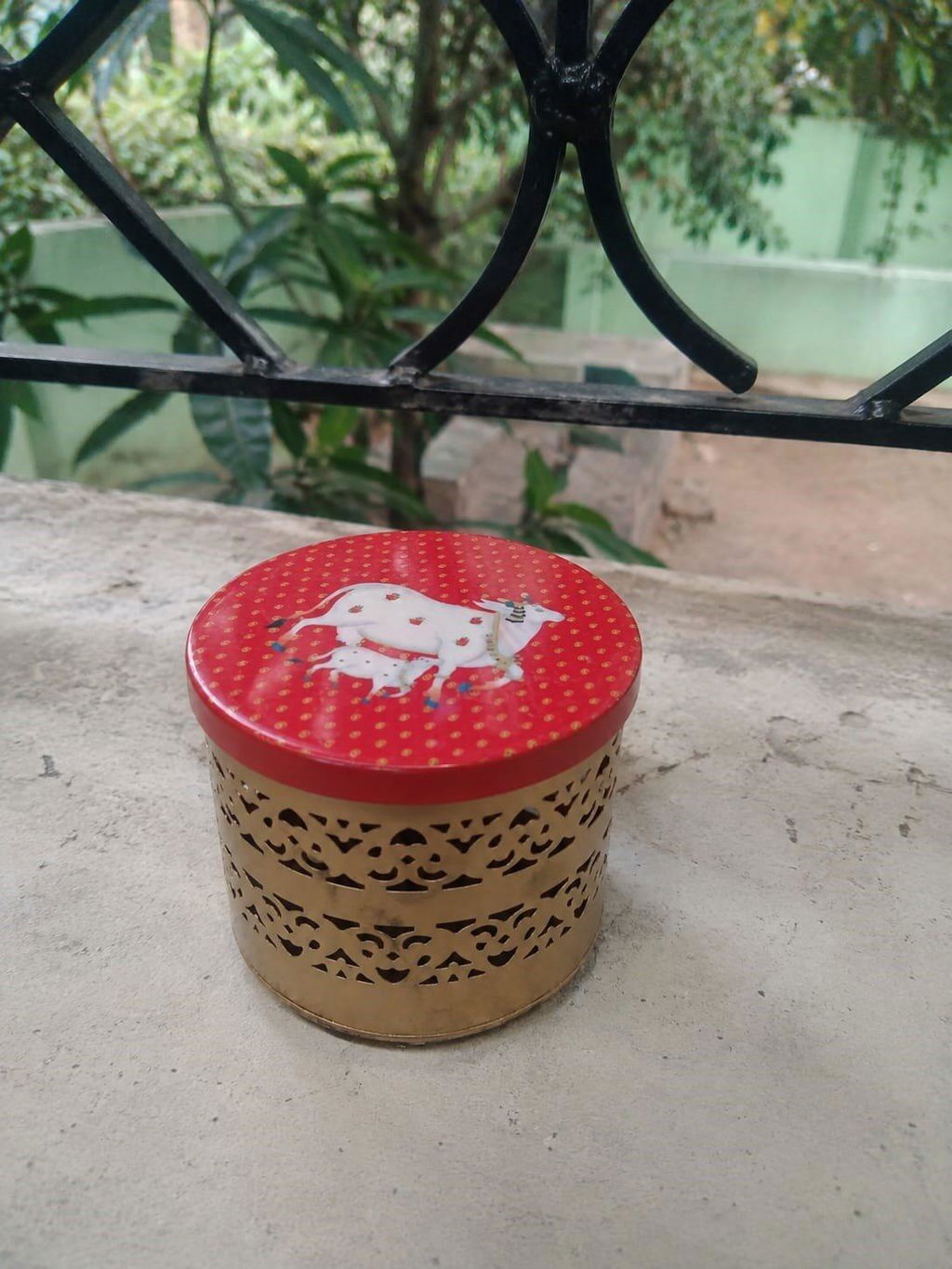
Unveil the perfect blend of sweetness and sophistication with our Chocolate Dry Fruit Box adorned with a whimsical Cow Design Lid. This exquisite creation is not just a treat for the taste buds but also a visual delight, making it the ideal return gift for any occasion.
Crafted with precision and care, this unique box combines the richness of premium chocolates with the goodness of assorted dry fruits. The carefully selected array of nuts and fruits adds a delightful crunch to the velvety smoothness of the chocolates, creating a symphony of flavors that will leave a lasting impression on your guests.
The Cow Design Lid adds a touch of charm and playfulness to the box, making it a standout piece at any event. Whether it's a wedding, birthday, anniversary, or a corporate gathering, this Chocolate Dry Fruit Box is a versatile and thoughtful choice for expressing gratitude to your guests.
Very satisfied with my purchase. The product matched the description perfectly, and customer service kept me updated until delivery.
Marriage function gift success! Bought in bulk for guests. Great response from all. Classy packaging added charm to the item.