







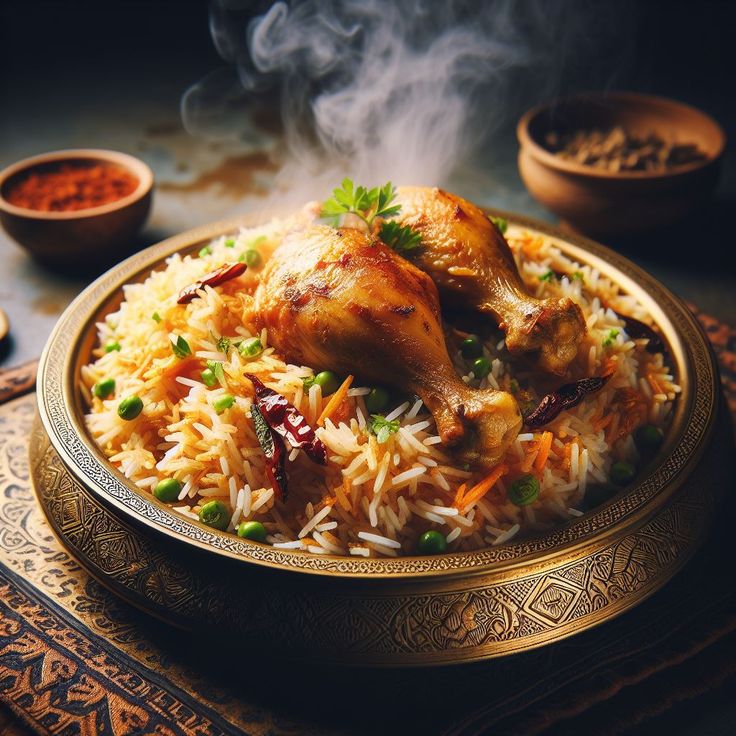
The Royal Heritage of Biryani: Traditional Cooking Methods, Utensils & Regional Varieties
Introduction
The dish Biryani is not just a meal—it’s a story of empire, migration, culture and craftsmanship. Across India, biryani has evolved into dozens of regional variations, each with its own flavor profile, ingredients and cooking method. In this blog we’ll explore:
-
Traditional cooking methods such as dum-pukht, layering, and slow-cooking.
-
The cultural and historical significance of biryani in India.
-
A guide to the major regional types of Indian biryani.
-
A special emphasis on the utensils and cookware materials used (metals such as copper, brass, aluminum, etc.) and why the choice of vessel matters for the perfect biryani.
1. Cultural Significance of Biryani in India
Biryani has its roots in the kitchens of the Mughal era and evolved into Indian sub‐continental royalty’s favorite. It signifies festivity, communal gathering, celebration of spices and rice. In many Indian households, biryani is cooked for weddings, festivals, feasts and special occasions.
This dish encapsulates the cultural fusion of Persian/Mughal rice‐cooking techniques (pilaf, pulao) with local Indian spices, rice varieties, cooking vessels and taste preferences. It conveys social status (royal kitchens used copper/bronze handis), hospitality (guest meals), and regional identity (every zone claims its own version).
Thus, when you cook biryani you’re not just combining ingredients—you’re continuing an age-old culinary tradition.
2. Traditional Cooking Methods of Biryani
2.1 Dum-Pukht (Slow Steaming)
One of the most iconic methods is the dum method (often called “dum-pukht”). In this process: marinated meat and spices are layered with partially cooked rice in a heavy pot; the lid is sealed (sometimes with dough) so that steam cannot escape; then it is cooked on low flame, sometimes placing hot coals on the lid to provide heat from above (a practice called seeni in Awadhi cuisine).
This method allows the flavours of meat, rice, fat, spices and steam to meld together slowly. The heavy vessel and sealed lid ensure minimal moisture loss and maximum aroma retention.
2.2 Layering Technique
In many biryanis (especially Hyderabadi & Lucknowi), you cook the rice and the meat (or masala) separately to about 70–80% doneness, then you layer meat and rice alternately, adding saffron, ghee, fried onions, mint/coriander, and then carry out the dum step. This gives distinct layers of flavour, texture and aroma.
2.3 Kacchi vs Pakki Method
Some regional styles differ: in the kacchi method, raw marinated meat is placed under raw rice and cooked together in dum, while in the pakki method, meat and rice are pre-cooked partly before layering. This distinction is often cited in Hyderabadi biryani discussions.
2.4 Vessel & Heat Management
Traditional biryani cooking also emphasizes the utensil and heat management: heavy‐bottomed handi (pot) to avoid scorching, tight‐fitting lid to capture steam, sometimes placing hot charcoal on a tray on the lid to provide top‐heat (in dum style).
3. Types of Biryani in India
India’s regional diversity shines through in biryani varieties. Here are several widely known types:
3.1 Hyderabadi Biryani

Originating from Hyderabad (Telangana), this style known as Hyderabadi Dum Biryani is famous for its rich spice blend, saffron aroma, goat/mutton or chicken, and the dum method.
3.2 Lucknowi (Awadhi) Biryani

From Lucknow (Uttar Pradesh), also called Awadhi biryani, this is more subtle in spices, emphasizes fragrant rice (yakhni style), uses mild masalas, rose/keora water.
3.3 Kolkata Biryani

From Kolkata, West Bengal, influenced by Awadhi cuisine, Kolkata Biryani is notable for inclusion of potato and boiled egg, lighter spices, and aromatic rice.
3.4 Malabar/Thalassery Biryani

From the Malabar coast of Kerala Thalassery Biryani uses short‐grain rice like kaima or jeerakasala, has coastal spice influence, sometimes chicken/fish instead of mutton.
3.5 Ambur / Dindigul Biryani

From Tamil Nadu (town of Ambur, Dindigul) Ambur Biryani is made using seeraga samba rice, curd marinade, tangy flavour.
3.6 Sindhi, Bombay, Kashmiri, and More

Other notable types include Sindhi biryani (spicy, tomato/yogurt based) and Bombay biryani (sweet-tangy plums & potatoes) and Kashmiri biryani (mild, nuts/dried fruits).
4. Utensils & Metal Cookware: Why It Matters for Biryani
When cooking a proper dum biryani, the choice of vessel/material plays a big role. Here are key metals and utensils used in biryani cooking and how they affect the result.
4.1 Copper & Tin-lined Copper Handi
Copper is an excellent heat conductor, providing even heating—very important when you’re layering rice and meat and need slow, uniform cooking. Many artisanal biryani handis are copper on the outside, tin-lined (kalai process) on the inside to avoid direct copper-food reaction.
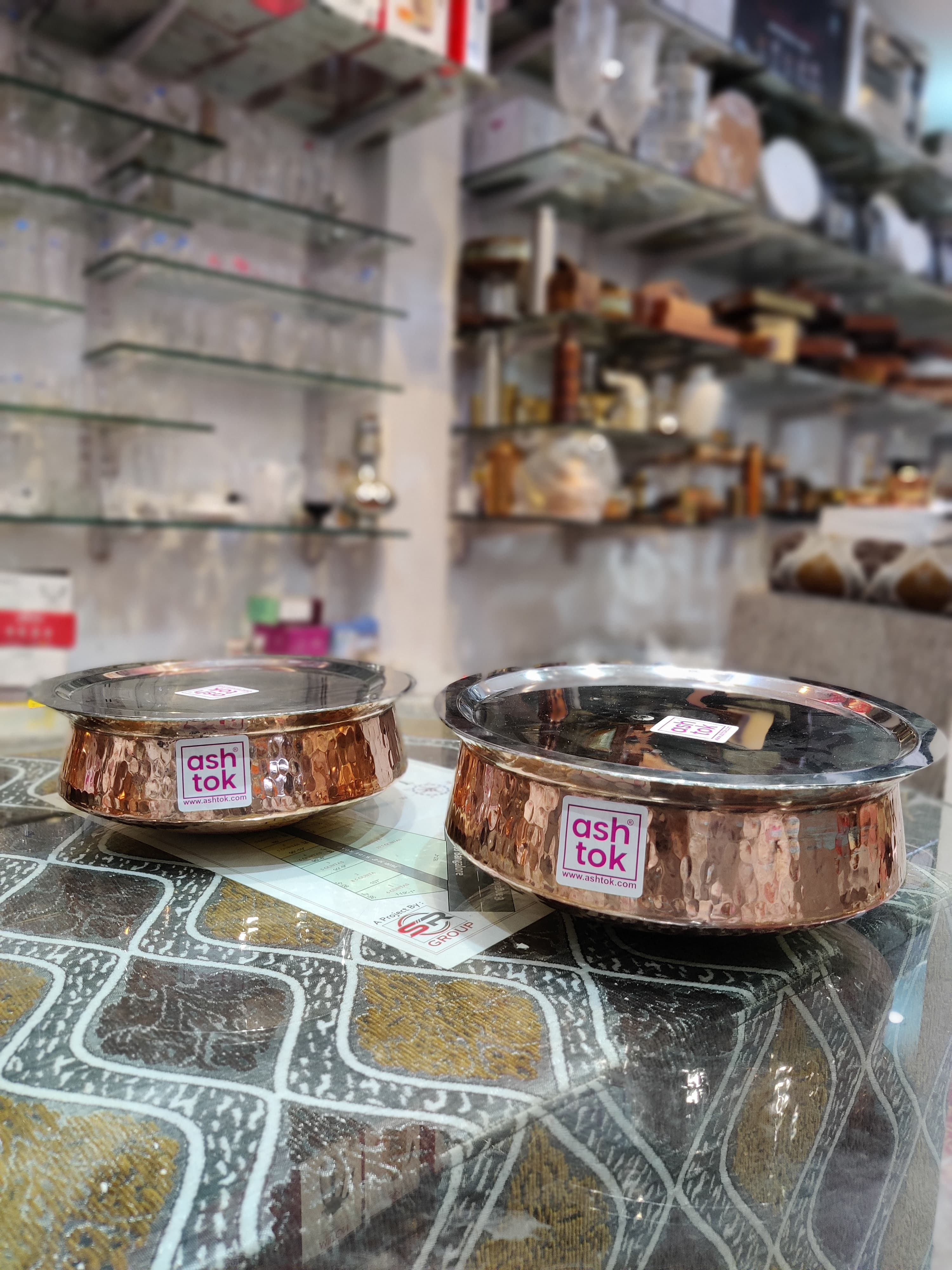
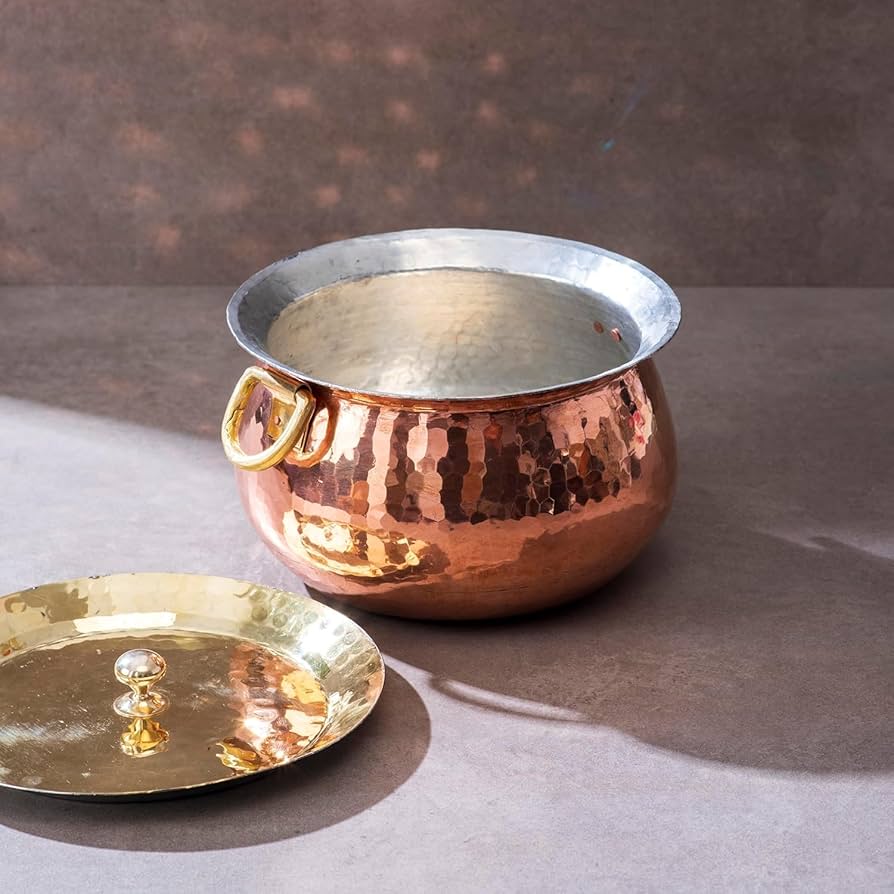
Why choose copper handis?
-
Rapid, even heat distribution prevents hotspots and burning at the bottom.
-
Heavy bottom helps hold heat.
-
The tin lining avoids any metal-food chemical reactions.
-
Sometimes used in royal kitchens for high-end biryani.
Things to note / maintenance: -
Must ensure tin lining remains intact; scratched or exposed copper may lead to leaching.
-
Must cook on medium/low flame (copper heats fast).
-
Requires care (not all copper vessels are equal).
4.2 Brass (Peetal) Handi
Brass (an alloy of copper and zinc) is traditionally used for cooking in Indian kitchens. Brass handis are popular for biryani because they have good heat conduction and a traditional aesthetic. They too are often tin-lined inside.


Benefits & considerations:
-
Even heat distribution.
-
Traditional look and feel.
-
Tin lining again ensures food safety.
-
Slightly less conductive than copper but still widely used.
4.3 Aluminium Handi
In more practical kitchens, heavy-gauge aluminium biryani handis (sometimes called aluminium degchi) are used. They are lighter, less expensive, and still effective for dum cooking. Some are made heavy bottom to replicate the heat retention of copper.
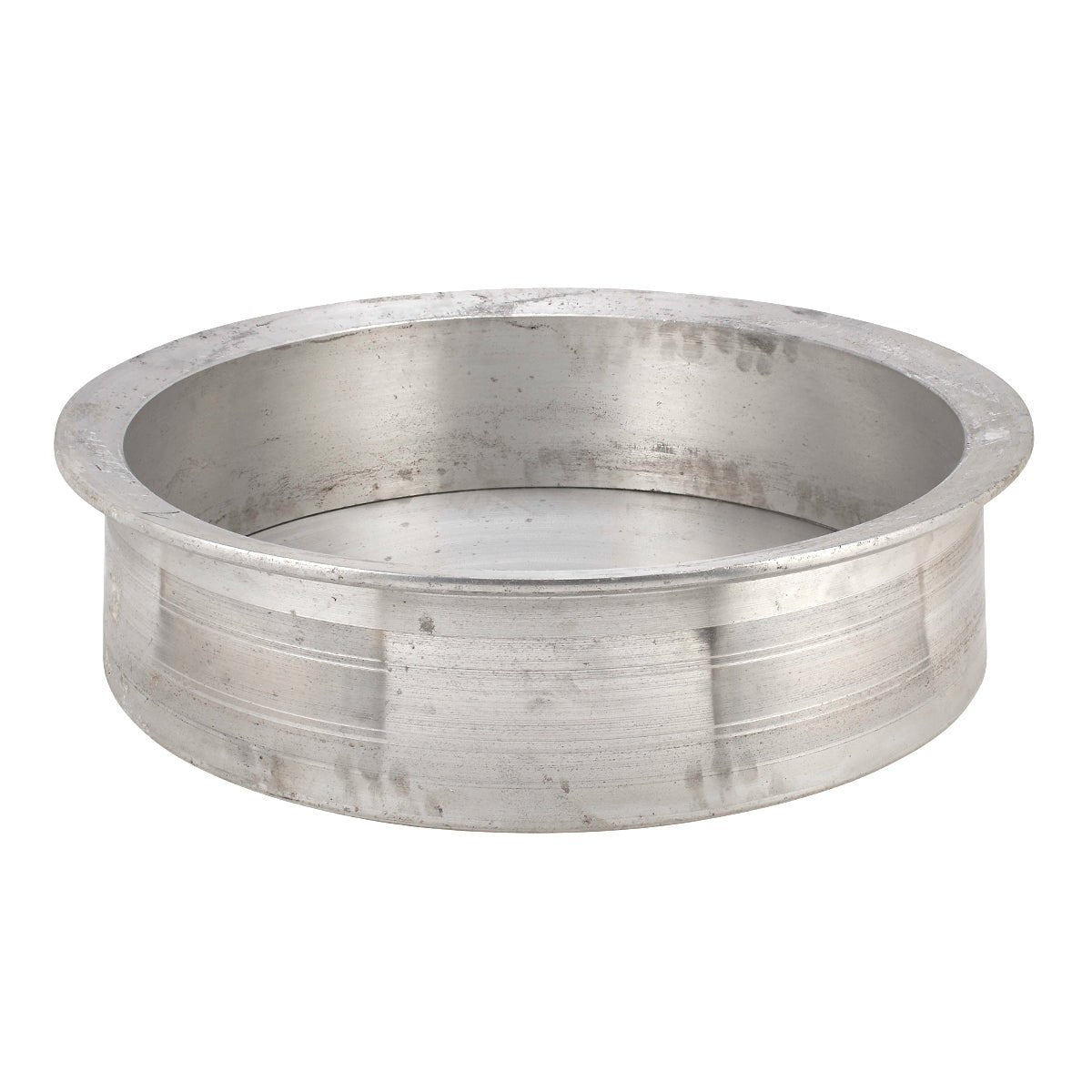

Pros & cons:
-
Pros: lightweight, more affordable, still conducts heat well (though less perfectly than copper).
-
Cons: less luxurious, less heat-retention compared to heavy copper/brass ; may warp if thin.
4.4 Clay / Earthen Pot & Iron Handi
In some regions or for smaller batches, clay (matka) or cast iron handis are also used. Clay provides rustic flavour and slow even cooking, iron provides good heat retention for dum.


5. Why the Vessel Material Makes a Difference – Technical & Cultural Insights
5.1 Heat Distribution & Retention
For dum biryani, even, steady cooking is essential. Too much direct flame and the bottom burns; too little and the meat/rice don’t cook evenly. Materials like copper/brass with heavy bottoms help distribute heat across the surface and retain it. Aluminium handis compensate by heavy gauge or use of tawa/bottom diffuser beneath.
5.2 Sealing & Steam Retention
The traditional vessel often has a lid that fits well. Some seal with dough (‘mooda’ seal) preventing steam escape, so the layered rice and meat cook in their own juices. The vessel material’s ability to hold heat helps maintain the steaming effect.
5.3 Reactivity, Safety & Health
When selecting a utensil, the material’s reaction with food matters: acidic marinades, yoghurt, tomatoes etc are used in biryani. Tin-lined copper/brass is safe. Unlined metals may allow leaching or affect flavour. As noted earlier, the “kalai” tin‐coating process is used to make copper/brass food-safe.
5.4 Cultural & Aesthetic Value
Using a brass or copper handi for biryani signals tradition and occasion. In many gourmet kitchens or weddings the handi itself becomes part of the presentation. The metal utensil is not just functional but symbolic of heritage and indulgence.
5.5 Practical Considerations
-
Size & heavy gauge: For large gatherings, a big handi (10-12 litres or more) is used.
-
Use on modern stoves: For copper/brass on flat stoves, ensure flat bottom or diffuser.
-
Care & maintenance: Copper/brass needs occasional polishing and ensuring the tin lining is intact. Aluminium is easier but may degrade faster.
6. Bringing It All Together: A Step-by-Step Overview with Utensil Notes
Here’s a conceptual outline of making a traditional dum biryani, with notes on utensil and metal choice:
-
Marinate meat (yoghurt, spices, ginger-garlic, chilli, etc).
-
Parboil rice (or partially cook).
-
Layer meat and rice in the handi: e.g., meat at bottom, then rice, saffron, fried onions, mint/coriander.
-
Select utensil:
-
Copper hand = excellent heat conduction & retentive for dum.
-
Brass hand = traditional, slightly heavier, good for slow cooking.
-
Aluminium hand = practical, lighter, still effective if heavy gauge.
-
Clay or iron hand = for rustic authenticity.
-
-
Seal the lid (sometimes dough or cloth tie) to trap steam.
-
Cook on low flame: If using copper/brass, a medium flame then low. Ensure the base doesn’t burn. Use a heat diffuser if needed.
-
Dum cooking phase: Keep for 20‐40 minutes depending on size. Let the meat juices infuse the rice.
-
Serve straight from the handi: The vessel becomes part of the presentation.
7. Tips for Modern Home Cooks
-
If you don’t have a traditional copper or brass handi, use a thick-bottomed stainless steel pot with lid, or enameled cast iron—but remember to allow for heat distribution.
-
If using aluminium, ensure the vessel is heavy gauge. Place a heat diffuser under the pot on a gas/induction stove to prevent scorching.
-
Avoid ultra-thin pots or lid gaps—both reduce dum effect.
-
Maintain your vessel: if copper/brass, check tin‐lining; if aluminium, avoid warping; if clay, avoid thermal shock.
-
Use the right size: For 4–6 people, a 6–8 L handi works; for large gatherings choose 10 L+.
s.
8. Conclusion
Biryani in India is more than food—it’s culture, craft, cookware, and community. From the kitchens of Hyderabad and Lucknow to the coastal grains of Malabar and the spiced rice of Ambur, each regional biryani is a testament to India’s rich culinary diversity. The choice of utensil—be it a heavy copper handi, a traditional brass pot, or a practical aluminium degchi—intertwines with the technique (dum, layering, sealing) and helps elevate the dish.
For anyone aiming to cook authentic biryani, it’s worth investing thought into the vessel. The metal, weight, lid fit and bottom thickness all affect the final texture and aroma of the rice and meat. Pairing that with a proper method and respect for the regional tradition will let you serve not just a meal, but a piece of culinary heritage.
Whether you’re making Hyderabadi dum biryani in a copper pot, or Ambur biryani with seeraga samba rice in a brass handi, you’re carrying forward a legacy of flavour, technique and tradition.